
BWWM |  From the Room

What Happens After the Client Says Yes?

Cameo Roberson

A conversation with Cameo Roberson Fractional COO and FounderAtlas Park Consulting

Tiahna Lilavois

Moderated by Tiahna Lilavois FounderBWWM

Back to Editorial
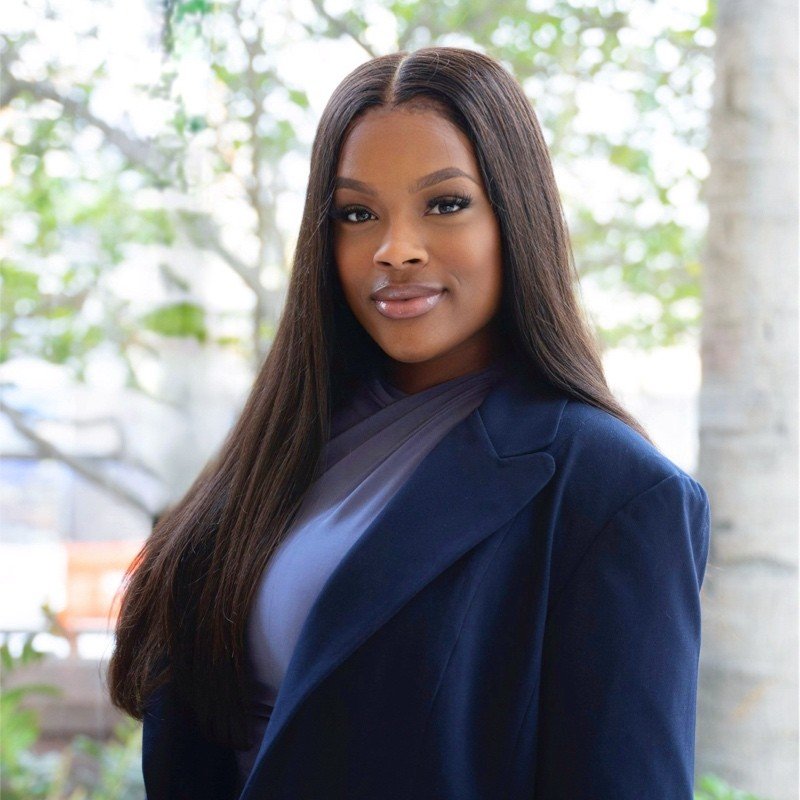
Cameo Roberson, founder of Atlas Park Consulting
From the Room | The Work Behind the AdviceCameo Roberson
Connect with CameoLinkedInatlasparkco.com

From the Room | The conversation

The work behind the advice.

A client says yes, and the work moves beyond the meeting. Who explains the next step? Who carries it out? And how does the team know whether the experience matches what was promised?

In BWWM’s November 18 community conversation, Cameo Roberson joined founder Tiahna Lilavois to explore the processes, handoffs and operational decisions behind a consistent client experience.

These selected moments bring the conversation back to the people doing the work and the details that shape what clients experience.

Selected moments

Three perspectives on the work

01 / The Process

Approximately 1:07

Stay in the room

Get more conversations like this in the BWWM Monthly Brief.

Subscribe

The Advisor Tech Trap

Before asking what another tool can automate, a team needs to understand the client experience it wants to deliver. Cameo explains why workflow definition comes before technology optimization.

Read excerpt transcript

Cameo Roberson: Yeah, great question. Advisors typically run, and I see it all the time, they run to the tech because they think the tech is going to solve all of their problems and all of their issues, really having clear workflow processes, right? Understanding, I’m always going to go back to that client journey piece, because that is literally the foundation from which you can get greater efficiencies in leveraging AI and other technology, but it’s really hard to optimize a process that does not exist. Right? And I think that’s where the gap is, teams not really thinking about end-to-end, what do we want our clients to experience, and then pulling in the tech to support and leverage those process steps. And I know. It’s not the most exciting thing to do. Who wants to do workflows besides me and my team, right? It is literally the secret sauce, it’s the magic, it’s the details that allows you to come across to clients like, thanks, thought of everything. I don’t want to worry about this, right? Which then goes back to what happens after they say yes.

A question to consider

Which part of your client journey needs a clearer process before another tool?

02 / The Handoff

Approximately 2:46

Who Carries the Client Relationship?

After “Yes,” someone has to carry the ball.

Winning the client is only the beginning. Cameo discusses who takes responsibility for the next steps, how the advisor communicates the handoff and where onboarding templates can support a more coordinated experience without losing the personal touch.

Read excerpt transcript

Cameo: Yeah, so I think that really depends on a couple of things. One, the team size, right? The lead advisor, or the person who is in charge of winning over the business, the rainmaker, they really are the quarterback in this situation, right? So they’re communicating to the client, what to expect, what’s next. If it’s just a solo practitioner, if it’s a solo practice, guess what? That person has to do everything. But if they have a client support professional or a second in command, then they can let the client know, hey, I’m going to let our associate know that you’re going to be moving forward with our service. And then that person needs to know exactly what those next steps are, so that they can then continue to run with the ball down the field, just using a football example, because the client is just wondering who’s going to be the person that I speak to next.

Tiahna: Yeah. And speaking of that initial handoff, we had a question about, you know, making onboarding smoother through things like, you know, email templates, but where do you find that, you know, reusable messages or templates help to you know, make the relationship more efficient, or, and when do you feel like maybe the team has to personalize that communication, or pick up the phone and make it a more, you know, warm handoff?

Cameo: Yeah, I love templates, and I share with my clients all the time different templates and things that they can use in delivery of their client experience. But even before all of that, I think it’s important for leadership and teams to understand what is the customer journey, right? What is the end goal? Where are we leading and taking clients to? When you have an innate understanding of that, it makes it so much easier to then create the templates and the resources and the checklists that you’ll need to support that journey. So, a quick example is, if you are signing up with a brand new advisor for the first time, and maybe you don’t have the experience of working with an advisor, I ask my teams, what would make a client feel welcome? After they’ve said yes, and after they’ve signed their engagement, and after they’ve paid their money.

Tiahna: Right.

Cameo: Very simply, a welcome email. Telling them about your firm, about the team, reiterating the messages of what they can expect. That’s a great template to use, and then even set up the case for what’s next. Because the client is always asking or wondering, well, what’s next? What can I expect next? And when you think about that client journey, it helps you then develop the right templates as they move through working with you.

A question to consider

When an advisor hands off a new relationship, what does the next person need to know?

03 / The Ownership

Approximately 1:06

Operations Without an Owner

Process improvement, training and consistent service delivery do not happen automatically. Cameo discusses what happens when firms lack clear operational ownership and why that responsibility matters as practices grow.

Read excerpt transcript

Cameo: They do, and I think what has happened, as I look back over the clients that I’ve worked with, is leaders have built the business themselves, they’re great rainmakers, meaning they know how to bring in business and close new business, but when it comes to actually building out the operations of the business, it has taken a backseat. Well, once you’ve grown to a certain level, the operations needs to have some attention, but this is when I say this, you’re probably going to be like, this happens a lot. There are a lot of firms out there that don’t even have an operations manager. So then, who owns it? Who’s actually making sure that the process improvements are happening? Who’s making sure that there’s training in place for the CSAs? Who’s making sure that the culture of the experience that we want to project happens through and through. And I think that’s where some of the bottlenecks happen, and some of the challenges that teams face. And I imagine, you know, those of you who are in support roles now, you probably see some of these things that have happened in the firms that you’re either at now, or ones maybe in the past.

A question to consider

Who is responsible for making sure operational improvements actually happen in your firm?

Related reading

Continue the conversation.

Who’s in the Room When the Automation Decision Is Made?

Cameo’s perspective on process and operations connects to a bigger question: who should help shape the technology decisions that affect the client experience?

Read the article

From the Room / Stay connected

Keep the conversation going.

Perspectives worth considering, women worth knowing, and conversations worth joining. Subscribe to the BWWM Monthly Brief for more insights from across wealth management.

Subscribe to the Monthly Brief
BWWM

Black Women in Wealth Management (BWWM) is a professional community focused on connection, visibility, shared insight, and career advancement across the wealth management industry.

Follow

BWWM is an independent networking and educational community; no investment advisory services, recommendations, or solicitations are provided.